
- Teacher: ABHIRAMI E B 24-BFT
- Teacher: AFEEFA K M 24-BFT
- Teacher: AMEERA YASIL MUNEER P 24-BFT
- Teacher: AMNA K P 24-BFT
- Teacher: ANAMIKA N 24-BFT
- Teacher: ANZIL RAHMAN T K 24-BFT
- Teacher: AYISHA THASNI 24-BFT
- Teacher: AZHAR ALI U P 24-BFT
- Teacher: DANIYA SALEEM A K 24-BFT
- Teacher: DHEEMA ASHRAF 24-BFT
- Teacher: FATHIMA MIHALA K P 24-BFT
- Teacher: GASLA HUDA P K 24-BFT
- Teacher: HADI HUSSAIN 24-BFT
- Teacher: HANAN FATHIMA 24-BFT
- Teacher: HARINANDA M A 24-BFT
- Teacher: HIBA NASRIN K N 24-BFT
- Teacher: JASMAL RAFI 24-BFT
- Teacher: KHADEEJA SAFA A V 24-BFT
- Teacher: KRISHNAPRIYA V V 24-BFT
- Teacher: LIYA THESNI N A 24-BFT
- Teacher: MEENAKSHI P. V. 24-BFT
- Teacher: MINHA FASAL 24-BFT
- Teacher: MOHAMED AFLAH 24-BFT
- Teacher: MOHAMMED FAYIZ A 24-BFT
- Teacher: MUHAMMAD SHAHAN E K 24-BFT
- Teacher: MUHAMMED FAVAS P 24-BFT
- Teacher: MUHAMMED RAMSHAD O 24-BFT
- Teacher: MUHAMMED SHAMIL S 24-BFT
- Teacher: NEAHA SHERIN 24-BFT
- Teacher: NEJLA . P 24-BFT
- Teacher: RANIYA K 24-BFT
- Teacher: RISNA FIROZ CP 24-BFT
- Teacher: SAFA SULTHANA M B 24-BFT
- Teacher: SAINABA RIYA V 24-BFT
- Teacher: SALIH A R 24-BFT
- Teacher: SAUDHA SAFIDHA 24-BFT
- Teacher: SHAHANA SHERIN A V 24-BFT
- Teacher: SHANIYA K T 24-BFT
- Teacher: SHREYA VINOD 24-BFT
- Teacher: SREEHARI K 24-BFT
- Teacher: SWATHIKA V R 24-BFT
- Teacher: UDAY AV 24-BFT
- Teacher: MUFEEDA K M
- Teacher: ANANYA T
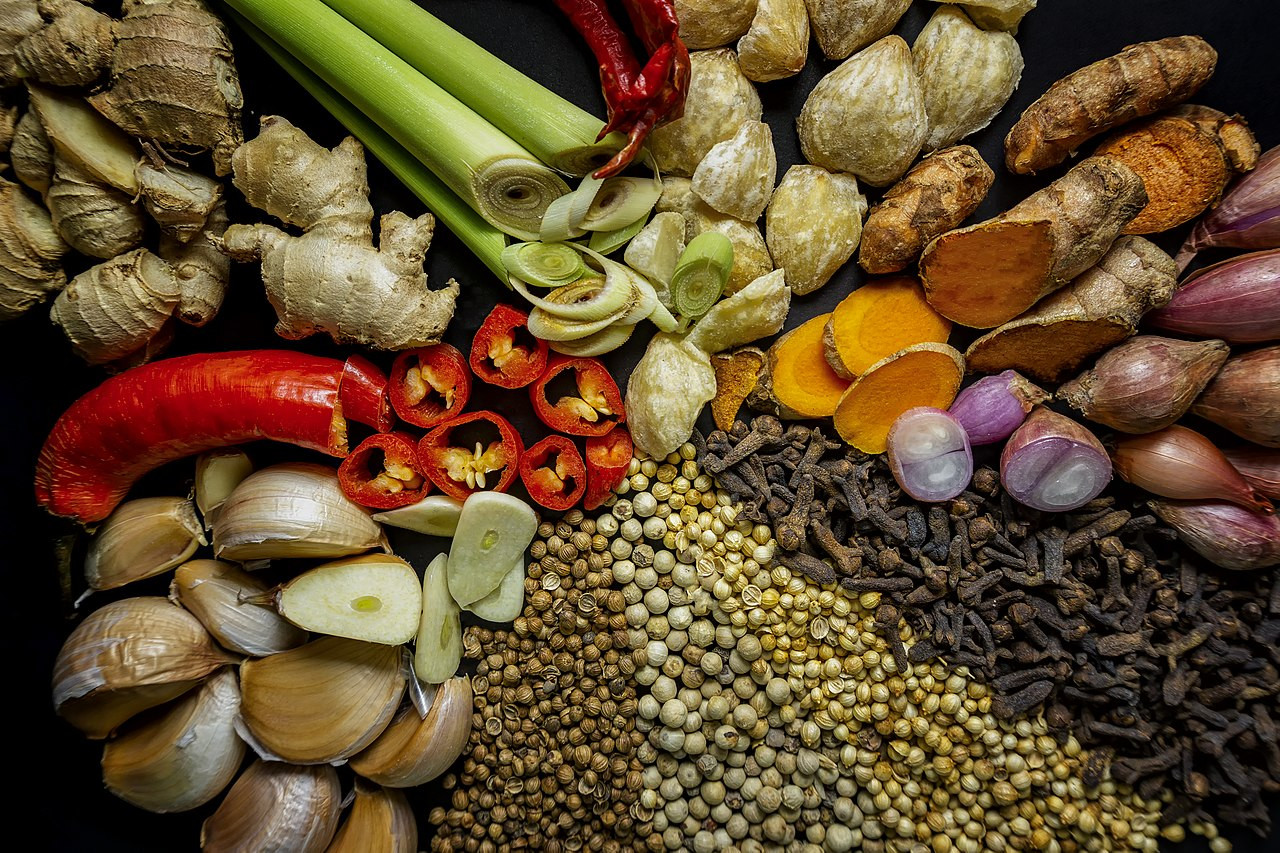
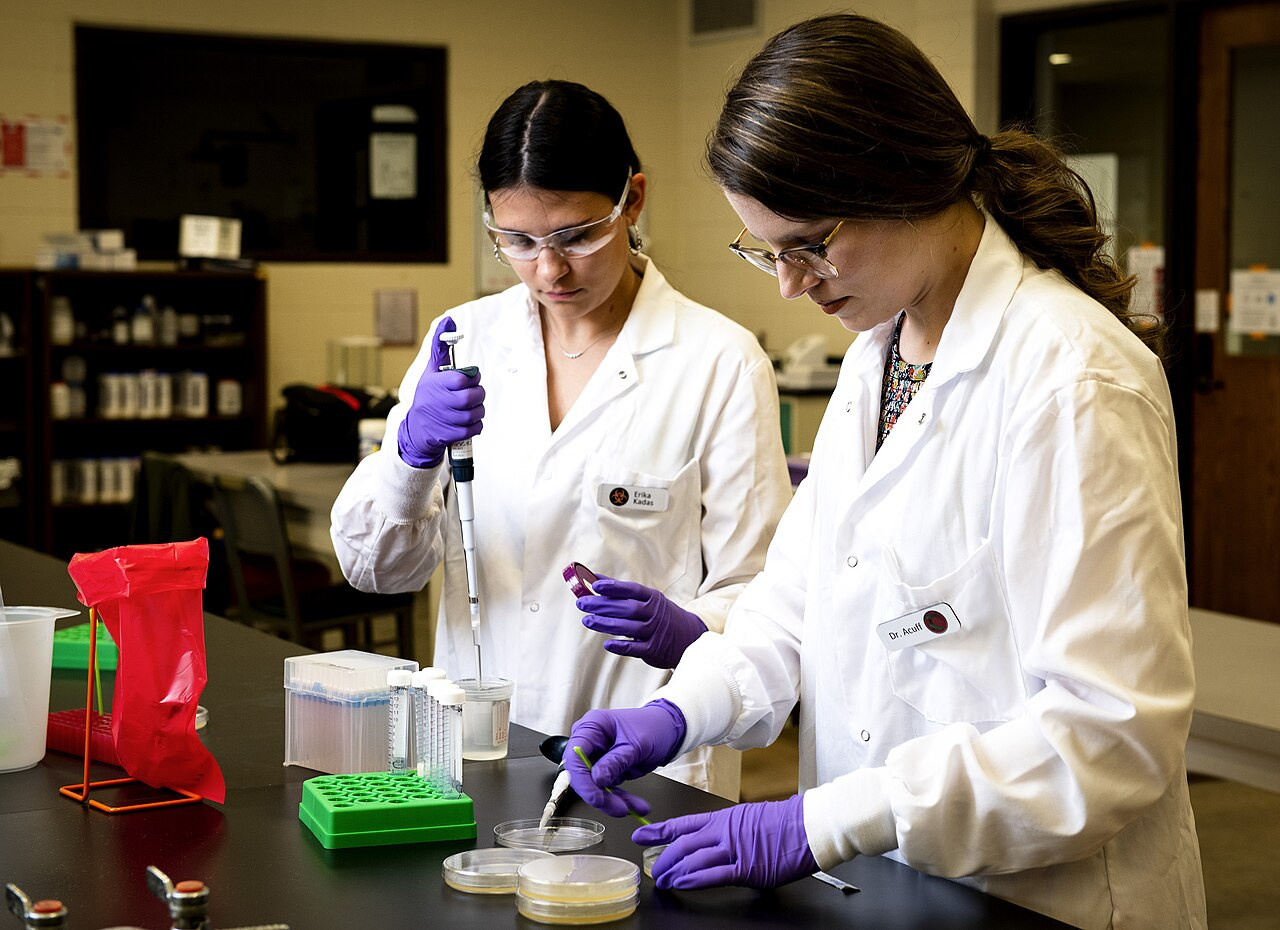
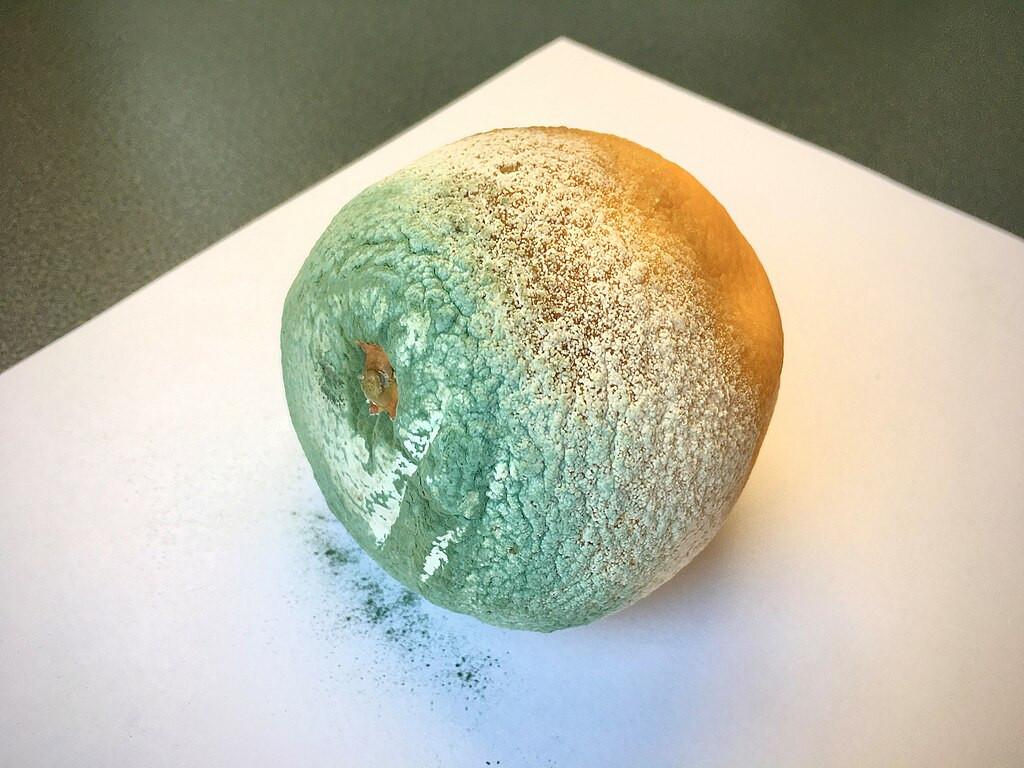
COURSE OUTCOME(CO)
1.To know the important genera of microorganisms associated with food and their characteristics.
2.Apply the knowledge in the laboratory techniques to detect, quantify, and identify microorganisms in foods
3.To gain knowledge on various methods of cultivation and identification of food microbes.
4.Develop basic laboratory skills for the isolation, identification, and quantification of microorganisms in food samples
5.Establish a comprehensive understanding about the concept of growth of microbes in food
6.To Understand the knowledge on history of microbiology
- Teacher: Tesna Mathew Faculty
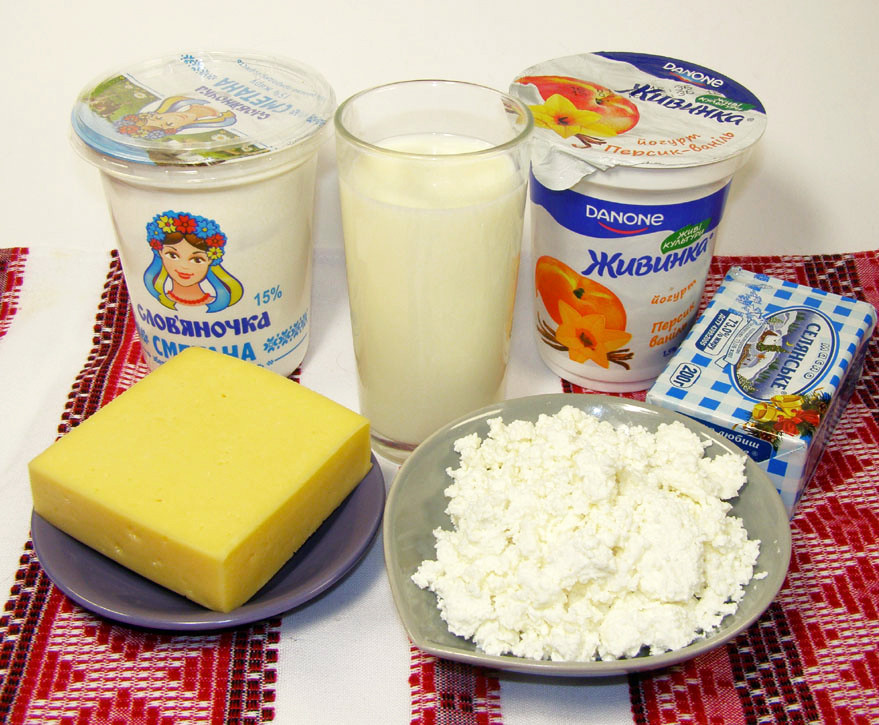
Objectives knowledge and experience to manufacture safety and high-quality dairy products
Learning Outcomes
• Lists the components of milk.
• Signify the importance of physico chemical properties of milk.
• Providing the importance of dairy processing technologies and equipment used.
• Make more knowledge on different types of market milk and fermented milk products
• Provide more information on CIP methods.
- Teacher: Tesna Mathew Faculty
- Teacher: ANANYA T
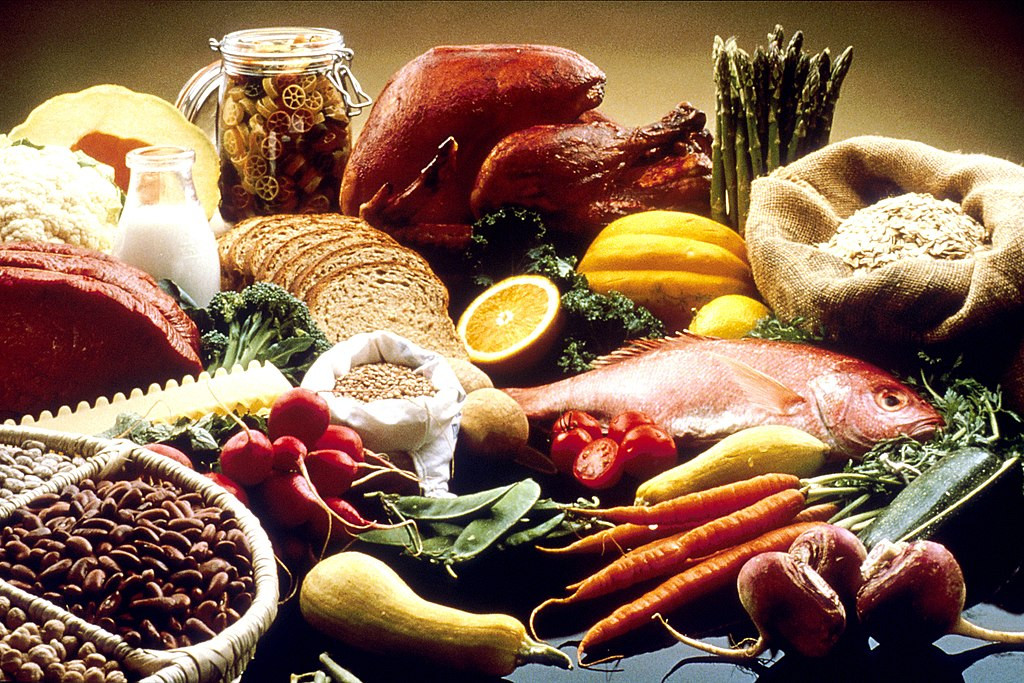
Know the relationship between
food, nutrition and functional
foods.
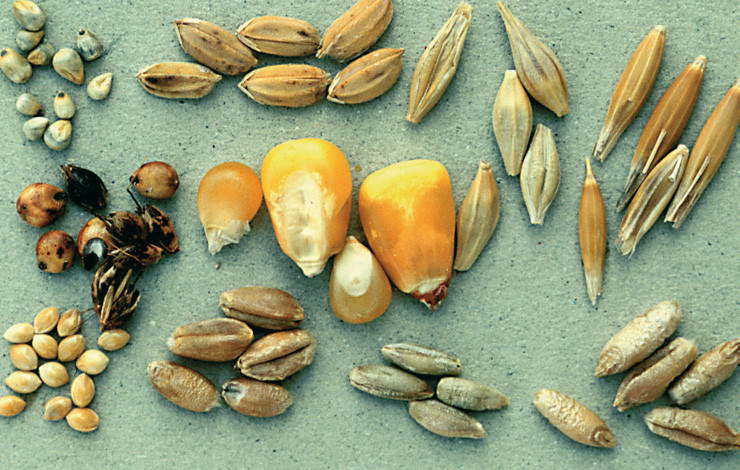
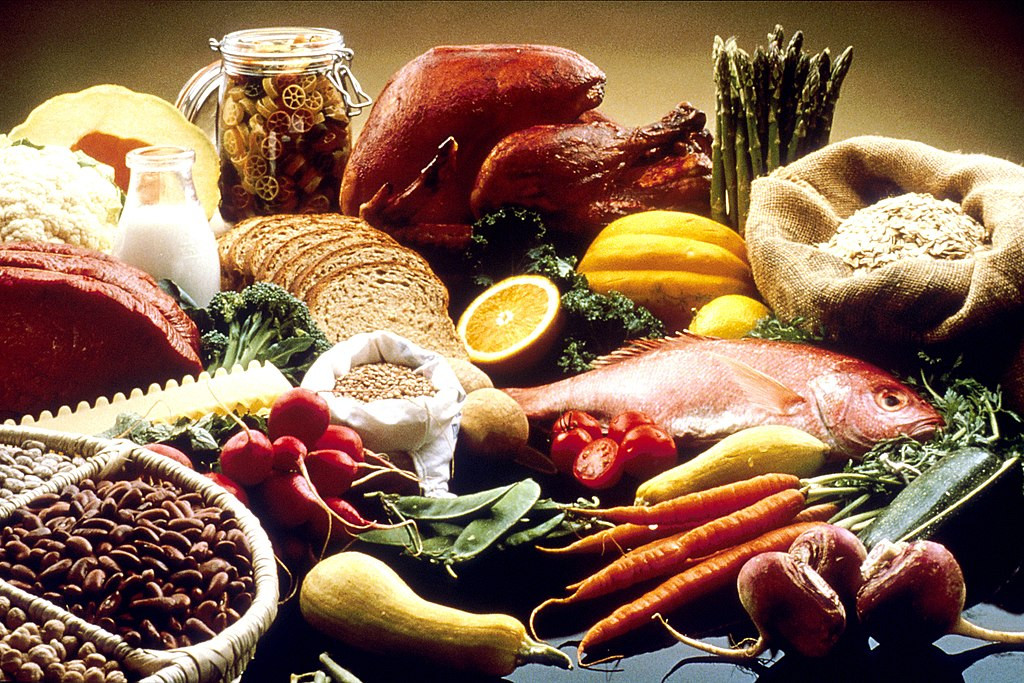
To Remember the basic Food
groups like cereals, pulses,
oilseeds, fruits vegetables,
spices, meat, fish, poultry, sea
food, milk and dairy products.
Apply the scientific method of
enquiry as it relates to the
measurement of sensory,
chemical and physical properties
of foods
To develop an insight among the
students about the existing
modern techniques and their
applications in food processing
preservation.
- Teacher: haneena afra