- Teacher: Dr. Neethu R.S. Faculty
- Teacher: NADIYA C V Faculty
Course Introduction
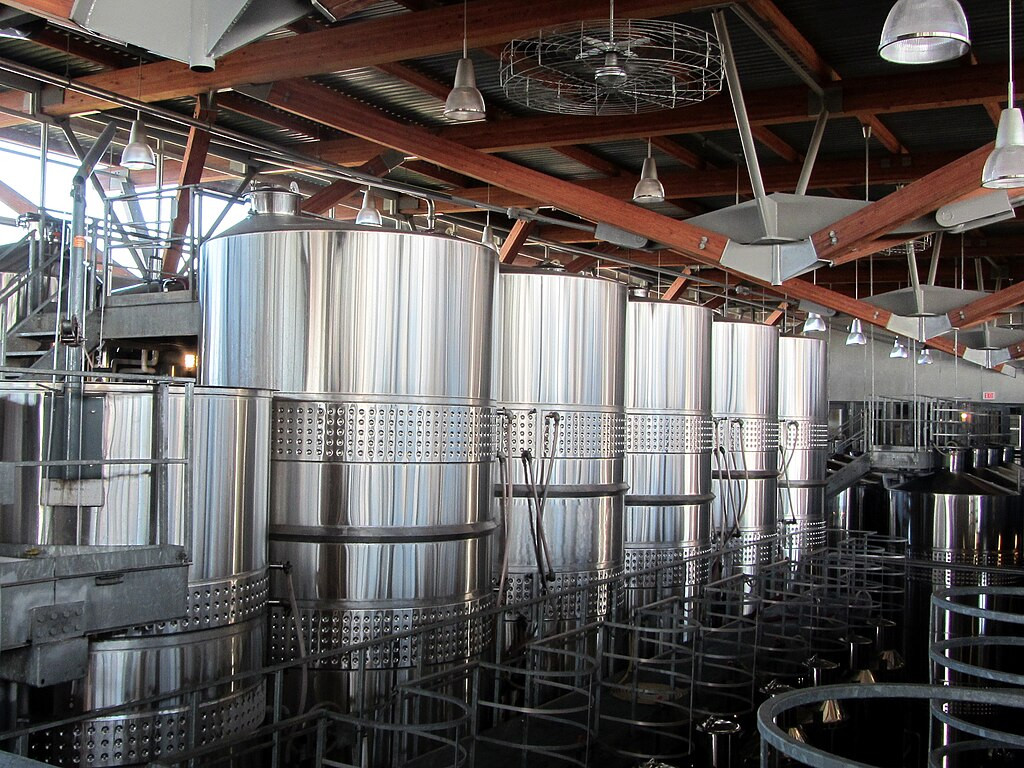
This course provides an overview of industrial fermentation and its applications in biotechnology. Students will learn the basic principles of fermentation, the role of microorganisms in producing fermented foods, and the production of single-cell protein. The course covers different types of fermentation (ethanolic, lactic acid, and mixed), media formulation, and the selection of industrially important microbes. It also introduces the design and operation of fermenters, including upstream, fermentation, and downstream processing techniques. Finally, a case study on the production of penicillin helps students connect theory with real-world industrial applications.
- Teacher: NADIYA C V Faculty
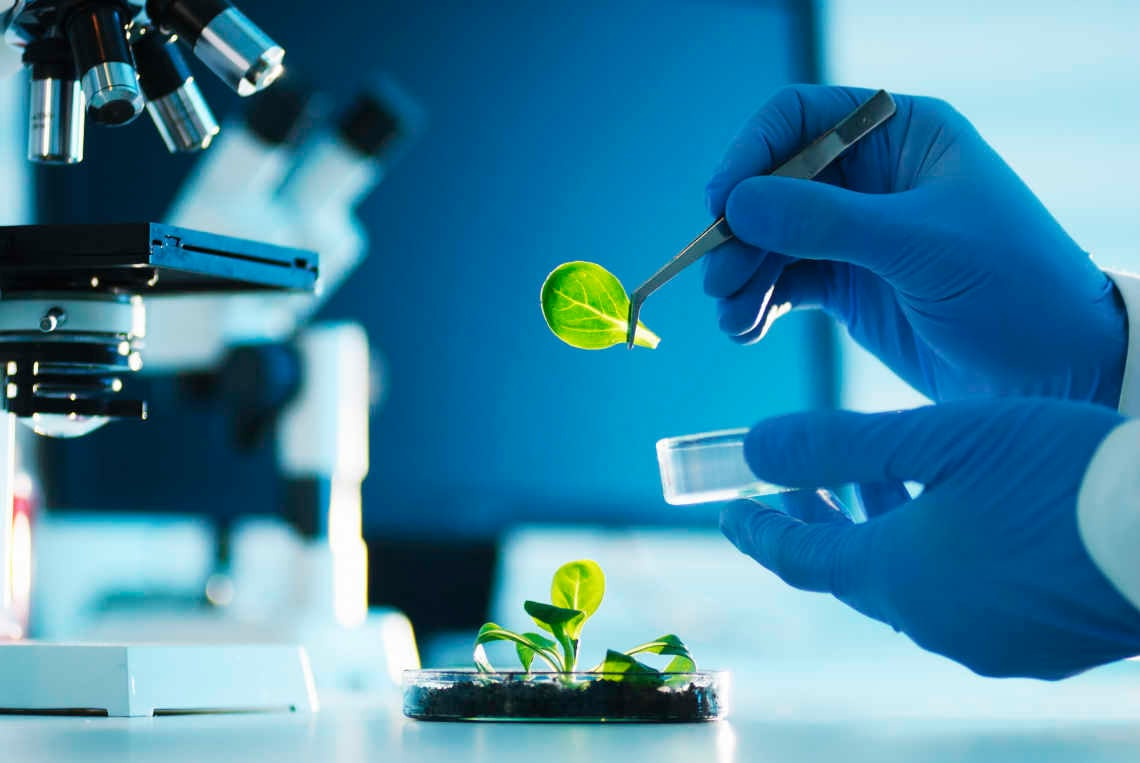
This course provides a foundational understanding of life sciences, beginning with the principles of biology, the Tree of Life, and the Three Domains of Classification. It then introduces the molecular basis of life, focusing on the structure and function of biomolecules alongside essential chemistry concepts. Students will further explore the cellular and genetic mechanisms, including DNA replication, transcription, and translation, to understand how genetic information is maintained and expressed. Finally, the course emphasizes the applications of recombinant DNA technology in diverse fields such as pharmaceuticals, gene therapy, molecular diagnostics, crop improvement, and industrial biotechnology, highlighting its scope and significance in modern science.
- Teacher: NADIYA C V Faculty